


Available 24/7 480-400-5555
What Arizona Considers a Deadly Weapon in an Aggravated Assault Case?

Understanding Aggravated Assault in Arizona
When most people think of aggravated assault, they picture violent encounters involving guns or knives. While those are common examples, Arizona law takes a much broader view, one that many people rarely consider. The definition of a deadly weapon, which plays a crucial role in these cases, extends well beyond traditional firearms and blades. This means that even everyday objects can be legally classified as deadly weapons if used in certain ways during an assault.
This nuance is often overlooked but is critical in understanding aggravated assault charges. Arizona evaluates not just the object itself, but also the manner in which it was used and the intent behind its use. A baseball bat, a heavy flashlight, or even a vehicle can be considered deadly weapons if wielded with the intent to cause serious harm or disfigurement. This means you can face felony charges for aggravated assault with a deadly weapon, even if no gun or knife was involved.
Many people don’t realize how expansive this legal definition is, and this misunderstanding can lead to poor legal decisions or missed opportunities for defense. The presence of a deadly weapon in an aggravated assault case greatly increases the severity of charges and potential penalties, which can include lengthy prison sentences and lifelong consequences affecting employment and personal freedom.
Given the serious nature of these charges, it is crucial to understand what qualifies as a deadly weapon under Arizona law, and why intent matters as much as the object itself. This knowledge is not commonly discussed outside of legal circles but is vital for anyone facing such allegations.
In the sections ahead, we will explore how Arizona defines deadly weapons, the circumstances under which non-traditional objects qualify, and why intent is a deciding factor in aggravated assault cases. Understanding these details can be the difference between mounting an effective defense and facing harsh penalties without proper representation.
Why This Charge Matters?
- Felony Classification: Aggravated assault with intent to disfigure or disable is classified as a felony, carrying penalties that may include prison time, probation, fines, and a permanent criminal record.
- Long-Term Impact: Convictions affect personal freedoms, employment prospects, and even family relationships.
- Legal Complexity: The charge requires proving a high level of intent, making defense strategies complex and nuanced.
If you or a loved one is facing these allegations, it is crucial to understand the gravity of the charge and seek experienced legal counsel immediately. Effective defense often involves challenging the prosecution’s evidence of intent and weapon classification.
Defining a Deadly Weapon Under Arizona Law
Understanding what Arizona law considers a dangerous instrument is essential when dealing with aggravated assault charges. While many assume this term only applies to guns or knives, the legal reality is much broader, and far less obvious to the average person. The classification of an object as a dangerous instrument depends not just on its design but on how it is used during the assault.
Arizona law defines a dangerous instrument as any item that is capable of causing death or serious physical injury when used in a certain way. This includes traditional weapons like knives, but it also extends to objects that aren’t inherently designed to be weapons but can become deadly in the hands of someone intending harm.
1. Traditional Deadly Weapons: Guns and Knives
The most straightforward examples of deadly weapons are firearms and knives. These items are specifically designed to inflict harm or cause death, and their use in an assault almost automatically elevates the charge to aggravated assault.
- Firearms: Guns, whether handguns, rifles, or shotguns, are widely recognized as deadly weapons due to their power and potential for fatal injury.
- Knives: Bladed instruments, such as pocket knives, hunting knives, or any sharp-edged tool used to stab or cut, clearly meet the deadly weapon criteria.
Because these weapons are explicitly built for harm, their presence in an assault case heavily influences prosecutorial decisions and often results in more severe charges and penalties.
2. Non-Traditional Objects as Deadly Weapons or Dangerous Instruments
What many people don’t realize is that everyday objects can also be classified as dangerous instruments, depending on how they are used. The law looks beyond the object itself to the intent and effect behind its use. This means an item not designed to injure can become a deadly weapon if wielded with the purpose of causing serious harm.
Examples include:
- Baseball bats or clubs: Although sports equipment, when swung at someone with force, these can cause serious injury or death.
- Heavy tools: Items like hammers, screwdrivers, or wrenches can become deadly when used aggressively.
- Vehicles: Using a car or truck to intentionally strike someone is considered using a deadly weapon.
- Household objects: Broken bottles, kitchen knives, or even furniture pieces can qualify depending on the circumstances.
This broad legal interpretation means that many people face aggravated assault charges without having used what might traditionally be seen as a weapon. The prosecution focuses on the potential harm and the defendant’s intent rather than the object’s original purpose.
Why This Matters?
The classification of the weapon is critical because it directly impacts the severity of the charge and the possible penalties. For example, an assault with a deadly weapon generally leads to felony charges, which carry harsher sentences than assaults without weapons.
For defendants, understanding this broad definition is the first step in building a defense. Often, cases hinge on proving that the object did not meet the criteria of a deadly weapon or that the intent to cause serious harm was absent.
Knowing how Arizona law defines deadly weapons, and recognizing that the term can apply to more than just guns and knives, provides crucial insight into the complexities of aggravated assault cases. This knowledge can be a powerful tool when working with legal professionals to protect your rights and future.
Traditional Deadly Weapons: Guns and Knives
Describes the common weapons typically seen in aggravated assault cases, emphasizing their obvious potential to cause serious harm.
Non-Traditional Objects as Dangerous Instruments
Discusses how items not inherently designed to cause harm (like bats, bottles, or even vehicles) can legally be classified as deadly weapons based on intent and use.
- Can You Be Charged with Aggravated Assault for Using a Non-Gun or Non-Knife Object?
One of the most common questions in aggravated assault cases in Arizona is whether a person can be charged with aggravated assault if the object they used wasn’t a traditional weapon like a gun or knife. The straightforward answer is yes, Arizona law allows for aggravated assault charges based on the use of virtually any object, provided it is used in a way that causes serious injury or is capable of causing serious harm.
This is where the law’s definition of a deadly weapon or dangerous instrument plays a crucial role. The key factor isn’t necessarily what the object is, but how it was used. For example, if someone throws a heavy glass bottle at another person’s head or hits them repeatedly with a metal rod, those objects can be legally classified as dangerous instruments because of their potential to cause grave injury or disfigurement.
How Arizona Law Handles Non-Traditional Weapons in Aggravated Assault Cases
Arizona Revised Statutes (ARS) § 13-1204 outlines what constitutes a dangerous instrument and makes it clear that an object not designed as a weapon can still qualify if it’s used in a way that’s likely to cause death or serious injury. This means the law looks at:
- The nature of the object
- How the object was used during the assault
- The intent of the person using the object
- The severity and type of injuries caused
For instance, even a vehicle used to intentionally strike a person is considered a dangerous instrument under Arizona law, leading to aggravated assault charges. Similarly, a heavy flashlight, a wrench, or even a belt can fall under this category depending on the circumstances.
Real-World Examples
Many cases demonstrate how everyday objects have led to aggravated assault charges:
- A baseball bat used to strike someone repeatedly
- A broken bottle used in a bar fight
- Hands or feet used with such force that they cause serious injury (in some cases, fists can be considered deadly weapons, though this is rare and fact-specific)
Because of this, the law recognizes that what matters most is whether the object was used in a manner capable of causing serious injury or disfigurement, not just whether it is traditionally seen as a weapon.
Why This Matters for Your Defense?
If you’re charged with aggravated assault based on the use of a non-traditional weapon, it’s crucial to have a defense team that understands how prosecutors interpret and apply these laws. They will look at the specific facts of your case, the nature of the object, and whether the prosecution can prove intent and capability to cause serious harm.
For a detailed, expert explanation of how deadly weapons are defined and prosecuted in Arizona aggravated assault cases, this comprehensive article from FindLaw on aggravated assault laws provides excellent insight and legal context.
Understanding these nuances can mean the difference between a felony conviction and a reduced charge or even dismissal. An experienced Arizona criminal defense attorney can help challenge the classification of the object as a deadly weapon or argue lack of intent to cause permanent harm, which are critical elements in your defense.
- Why the Intent Matters in Aggravated Assault Charges
In aggravated assault cases, particularly those involving charges like aggravated assault with intent to disfigure or disable, the element of intent is often the most critical, and most misunderstood, aspect. While many believe that the mere act of causing injury is enough for a conviction, Arizona law requires that the prosecution prove a specific intent behind the defendant’s actions.
Intent refers to the defendant’s state of mind at the time of the alleged offense. In other words, it’s not just what happened, but why it happened. Did the accused deliberately intend to cause permanent injury, disfigurement, or disablement? Or was the injury accidental, reckless, or a result of self-defense? These distinctions can be the difference between a felony conviction and a lesser charge, or even an acquittal.
The Legal Importance of Intent
Arizona law treats aggravated assault charges with intent to disfigure or disable more severely because it recognizes the lasting harm such injuries cause. The law’s focus on intent means that prosecutors must provide evidence showing that the defendant acted knowingly and purposefully. This can include:
- Statements or admissions made by the defendant
- The nature and severity of the victim’s injuries
- The circumstances of the assault (e.g., repeated blows to a vulnerable area)
- Witness testimony indicating premeditation or planning
Without clear evidence of this intent, the charge may not stand, or it may be reduced to a lesser offense such as simple assault or misdemeanor battery.
Why Intent Can Be Difficult to Prove?
Intent is a mental state, it isn’t something you can directly observe, and it can rarely be proven with physical evidence alone. Prosecutors often rely on circumstantial evidence, patterns of behavior, or context to infer intent. This makes aggravated assault cases highly fact-specific and complex.
For example, did the defendant use an object in a way that clearly aimed to cause lasting harm? Or was the action more spontaneous or defensive? Was the victim’s injury a result of reckless behavior rather than purposeful harm? These questions are central to the case.
What Does This Mean for Your Defense?
Because intent is so critical, having an experienced criminal defense attorney who understands how to challenge the prosecution’s narrative is vital. Your lawyer can:
- Scrutinize evidence for inconsistencies or gaps
- Highlight alternative explanations for the injury (accident, self-defense, etc.)
- Argue that the object used does not meet the legal definition of a deadly weapon
- Advocate for lesser charges if intent cannot be clearly established
This strategic focus on intent can significantly affect case outcomes, including plea negotiations, sentencing, or dismissal.
In Summary
Understanding that intent is the cornerstone of aggravated assault charges with intent to disfigure or disable is crucial. It ensures that defendants are not unfairly punished for accidents or reckless behavior but only when there is clear proof of purposeful harm. This nuanced approach highlights the importance of skilled legal advocacy in protecting your rights and freedom.
- Consequences of a Felony Aggravated Assault Conviction in Arizona
Facing a felony aggravated assault charge, especially one involving intent to disfigure or disable, is overwhelming and life-changing. The stakes are incredibly high, your freedom, reputation, and future are all on the line. This is where the Grand Canyon Law Group steps in as a critical ally in your defense.
Our firm is uniquely positioned to provide top-tier criminal defense in Arizona because we are led by former prosecutors who have firsthand experience with how these cases are built from the inside out. We understand the tactics prosecutors use, how evidence is gathered and presented, and which weaknesses can be exploited to your advantage.
What Sets Grand Canyon Law Group Apart?
- In-Depth Knowledge of Arizona Criminal Law: With years of experience handling aggravated assault cases across Maricopa County and surrounding areas, we bring comprehensive legal knowledge tailored specifically to Arizona’s statutes and court systems.
- Strategic Defense Planning: We don’t believe in a one-size-fits-all approach. Every case is unique, so we thoroughly analyze the facts, evidence, and context to build a defense strategy designed to protect your rights and achieve the best possible outcome.
- Focus on Intent and Weapon Classification: We know that proving or disproving intent and whether an object qualifies as a deadly weapon are often pivotal in these cases. Our attorneys meticulously investigate these aspects to challenge the prosecution’s claims.
- Compassionate and Responsive Representation: We treat every client with dignity and understanding, recognizing the emotional toll legal battles take. We are available 24/7 to answer your questions, provide guidance, and ensure you feel supported throughout the process.
How We Support You Through the Process
- Free Consultation: We offer a no-obligation consultation to discuss the details of your case, explain your options, and help you understand potential outcomes.
- Transparent Communication: We keep you informed at every stage, breaking down legal jargon into clear, understandable terms so you’re never in the dark.
- Flexible Payment Plans: Legal defense can be expensive, so we work with you to create payment options that fit your financial situation.
- Aggressive Advocacy: From negotiating with prosecutors to representing you in court, we fight aggressively to protect your freedom, reputation, and future.
Don’t Wait to Get Help
Aggravated assault charges can escalate quickly, and delays in seeking legal counsel can seriously harm your defense. If you or a loved one is facing such charges in Phoenix, Tucson, Scottsdale, or anywhere in Arizona, contacting Grand Canyon Law Group immediately could be the most important decision you make.
We understand how confusing and frightening this time can be. Let us put our experience to work for you, protecting your rights, challenging the charges, and fighting for your future.
How Grand Canyon Law Group Can Help If You’re Facing These Charges
An aggravated assault conviction in Arizona, especially one involving intent to disfigure or disable, carries far-reaching consequences that extend well beyond the courtroom. For many people, this charge isn’t just a legal battle, it can reshape their entire lives in ways that aren’t always immediately obvious.
First and foremost, aggravated assault with a deadly weapon is a felony offense, which means a conviction can result in significant prison time, hefty fines, and probation or parole conditions. But beyond the immediate punishment, there are long-term repercussions that can affect your career, family, and social standing.
Employment and Career Impact
Many employers conduct criminal background checks, and a felony aggravated assault conviction will almost always appear. This can severely limit job opportunities, especially in fields that require trust, security clearances, or working with vulnerable populations. Even industries that don’t legally require background checks often shy away from hiring someone with a violent felony record.
A study by the Prison Policy Initiative found that people with felony convictions experience unemployment rates nearly five times higher than the general population, and those who do find work typically earn significantly less. The lasting stigma associated with a violent crime can make rebuilding a career an uphill battle.
Family and Personal Relationships
Convictions of this nature can also strain or sever family relationships. Custody battles often become more complicated, as courts may view a violent felony record as a risk factor in determining parental fitness. Social circles may shrink as friends and acquaintances distance themselves, and the emotional toll can lead to isolation, anxiety, or depression.
Housing and Financial Struggles
Felony convictions can also affect your ability to secure housing, as landlords frequently perform background checks. Additionally, fines and legal fees can create financial hardship that lingers for years. This cascade of challenges contributes to what many call the “collateral consequences” of criminal convictions, effects that aren’t part of the sentence but still dramatically impact quality of life.
A Broader Perspective: Why Understanding the Stakes Matters
As writer Maya Angelou once said, “Do the best you can until you know better. Then when you know better, do better.” This insight resonates deeply when facing serious criminal charges. Understanding the full scope of consequences empowers individuals to seek the best legal help possible and make informed decisions about their defense.
Knowing what’s at stake encourages proactive steps, whether that means hiring experienced counsel, exploring all legal options, or preparing for life after the case. It reminds us that an aggravated assault charge is not just a headline or statistic; it’s a life-altering event that requires thoughtful, strategic action.
Final Thoughts
The reality is that the effects of an aggravated assault conviction ripple through every part of a person’s life. That’s why early legal intervention and skilled defense are so critical. The law may judge the act itself, but the consequences often last far beyond the courtroom, shaping the future in profound ways.
Contact Us for a Free Consultation
Facing an aggravated assault charge in Arizona, especially one involving the use of a deadly weapon or intent to disfigure or disable, can feel overwhelming and uncertain. The law’s broad definition of what constitutes a deadly weapon means that even objects not traditionally seen as weapons can result in serious felony charges. Understanding this, along with the critical role intent plays in these cases, is essential to building a strong defense.
The real-life consequences of an aggravated assault conviction are far-reaching, affecting your freedom, employment prospects, family relationships, and overall quality of life. This is not just about a legal case; it’s about protecting your future and your rights. That’s why having a knowledgeable, compassionate, and aggressive criminal defense team by your side is vital.
At Grand Canyon Law Group, we bring the unique advantage of former prosecutorial experience combined with a client-centered approach. We know how prosecutors think and operate, and we use that insight to challenge charges, protect your interests, and fight for the best possible outcomes. Whether the alleged deadly weapon was a gun, a knife, or an everyday object, we carefully examine every detail to craft a defense tailored to your specific circumstances.
If you or a loved one is facing an aggravated assault charge in Arizona, don’t wait to get help. Time is of the essence, and early intervention can make a critical difference in the course of your case. Contact Grand Canyon Law Group today at 480-573-6441 for a free, confidential consultation. We are available 24/7 to answer your questions, discuss your options, and start building a defense strategy designed to protect your rights and your future.
Call now, your freedom and future depend on it.
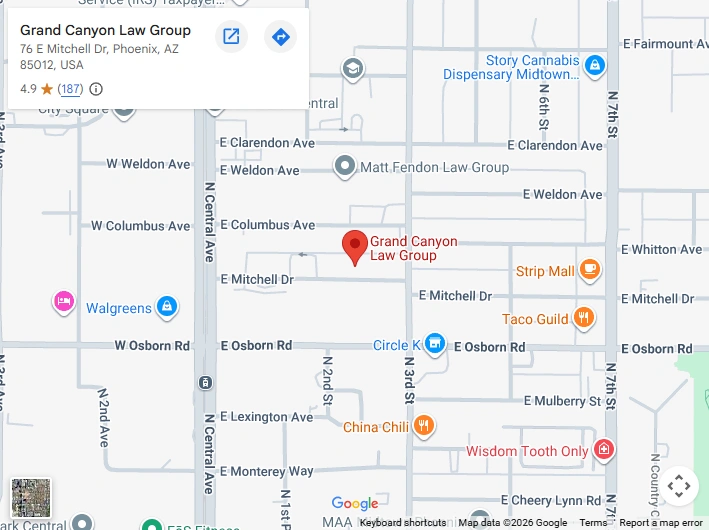
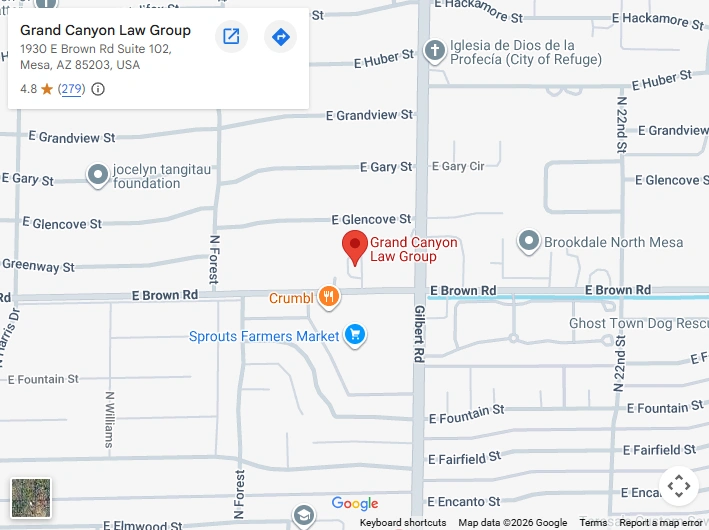
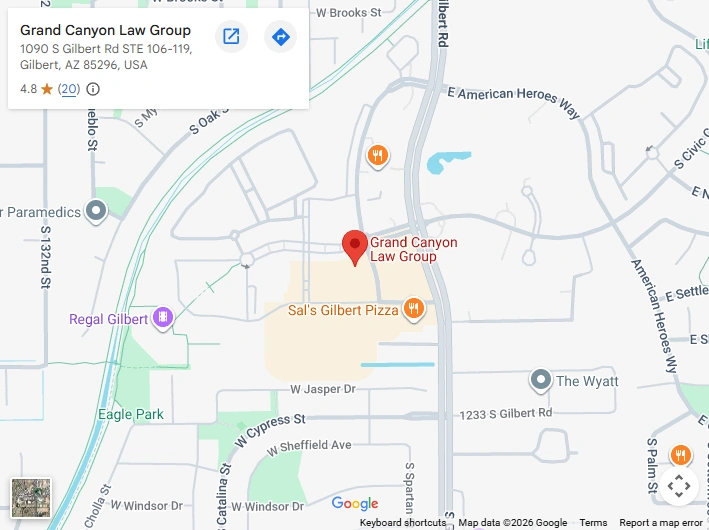
Phoenix Office
76 E Mitchell Drive
Phoenix, AZ 85012
Mesa Office
1930 E. Brown Rd
STE 102
Mesa, AZ 85203
Gilbert Office
1090 S. Gilbert Rd
STE 106-119
Gilbert, AZ 85296
Tucson Office
1 South Church Avenue,
#1200
Tucson, AZ 85701

© Copyright 2026 Grand Canyon Law Group. All rights reserved.
*Images are obtained under license from Canva and other third-party stock image providers, with attribution included where required.