


Available 24/7 480-400-5555
Manslaughter vs. Negligent Homicide in Phoenix, AZ
Manslaughter vs. Criminally Negligent Homicide
Homicide might sound straightforward: someone died, and someone else caused it. However, Arizona law breaks homicide into several distinct crimes, and the line between two of them, manslaughter and criminally negligent homicide, can be surprisingly thin. That line also happens to carry serious consequences. One is a class 2 felony, the other a class 4 felony, and the difference in prison exposure between them is significant.
If you or someone you love is facing a homicide charge in Phoenix, understanding how Arizona defines and separates these two offenses is the first step toward understanding what’s actually at stake. A free case evaluation with the Phoenix criminal defense law firm, Grand Canyon Law Group is a great start. Call 480-573-6441 to schedule your consultation.
How Arizona Classifies Homicide
Arizona law recognizes four categories of homicide: first degree murder, second degree murder, manslaughter, and negligent homicide. That’s a shorter list than many other states use. California, for example, separately defines voluntary manslaughter, involuntary manslaughter, vehicular manslaughter, and gross vehicular manslaughter while intoxicated. Arizona folds most of that distinction into two statutes, manslaughter and negligent homicide. This allows for the state of mind behind the act to do the work of separating them.
That simplicity on paper doesn’t always translate to simplicity in practice. A fatal DUI crash in Maricopa County, for instance, is often charged as manslaughter, but similar facts have also led to second-degree murder charges in other cases. The difference frequently comes down to how a prosecutor characterizes the defendant’s state of mind and Arizona law gives prosecutors real discretion in making that call.
Manslaughter Under Arizona Law: A.R.S. § 13-1103
Manslaughter is defined under A.R.S. § 13-1103, and the most commonly charged basis is recklessly causing the death of another person. Arizona law defines “reckless” conduct as being aware of and consciously disregarding a substantial and unjustifiable risk that a reasonable person would not disregard under the circumstances.
In plain terms: the person understood there was a real risk their conduct could kill someone, and went ahead anyway.
Manslaughter is a class 2 felony in Arizona. For a first-time, non-dangerous offense, A.R.S. § 13-702 sets the sentencing range at 4 years minimum, 5 years presumptive, and up to 10 years maximum — with sentences climbing significantly higher if the offense is classified as “dangerous” (for example, if a weapon was involved) or if the defendant has prior felony convictions.
Criminally Negligent Homicide Under Arizona Law: A.R.S. § 13-1102
Negligent homicide under A.R.S. § 13-1102 and requires a lower level of culpability than manslaughter. Instead of consciously disregarding a known risk, the person failed to perceive a substantial and unjustifiable risk that their conduct could cause death. Plus, that failure amounted to a gross deviation from how a reasonable person would have acted in the same situation.
The distinction is subtle but important. Manslaughter involves knowing the risk existed and ignoring it. Negligent homicide involves not recognizing a risk that a reasonable person should have recognized.
Negligent homicide is a class 4 felony, a full two felony classes below manslaughter. For a first-time, non-dangerous offense, the sentencing range under A.R.S. § 13-702 runs from 1.5 years minimum to a 2.5-year presumptive term, up to 3 years maximum, and first-time offenders are generally eligible for probation.
Why the Line Between Them Matters So Much
The practical difference between “consciously disregarding” a risk and “failing to perceive” one can be razor-thin, and Arizona law offers little concrete guidance for drawing it in any given case. Two fatal accidents with nearly identical facts – a hunting accident, a delayed 911 call, a driver who ran a light – can be charged as either manslaughter or negligent homicide depending on how the state interprets the defendant’s state of mind.
That distinction isn’t just academic. It’s the difference between:
- A class 2 felony with a presumptive 5-year prison term, versus a class 4 felony with a presumptive 2.5-year term
- Facing a sentencing range that starts at 4 years, versus one where probation may be on the table for a first offense
- A case built around proving conscious risk-taking, versus one built around what a “reasonable person” would have recognized
Because the evidence used to prove “reckless” versus “criminally negligent” conduct is often the same underlying facts, how a Phoenix criminal defense attorney challenges the state’s characterization of intent can directly affect which charge, and which sentencing range, a case ultimately resolves under.
What This Means If You’re Facing a Homicide Charge in Phoenix
Because Arizona prosecutors have meaningful discretion in how they charge homicide cases, the initial charge isn’t always the final word. A thorough defense often includes:
- Closely examining what evidence supports “conscious disregard” versus a mere failure to perceive a risk
- Challenging how investigators reconstructed the incident, particularly in vehicle-related or accident cases
- Identifying whether the facts support a request to reduce a manslaughter charge to negligent homicide
- Preparing for sentencing exposure under both the dangerous and non-dangerous offense tracks under A.R.S. § 13-702 and § 13-704.
Facing a Manslaughter or Negligent Homicide Charge in Phoenix?
Homicide cases carry some of the most serious consequences in Arizona’s criminal code, and the difference between a class 2 and a class 4 felony can shape years of a person’s life. If you’re under investigation or facing manslaughter or negligent homicide in Phoenix or anywhere in Arizona, contact Grand Canyon Law Group to speak with a criminal defense attorney about your case and your options. You deserve a law firm that is dedicated to criminal defense. We are available 24/7 by calling 480-573-6441.
This article provides general information about Arizona law and is not legal advice. Homicide charges depend heavily on the specific facts of each case. If you are under investigation or facing charges, speak with a licensed Arizona criminal defense attorney.
Phoenix Office
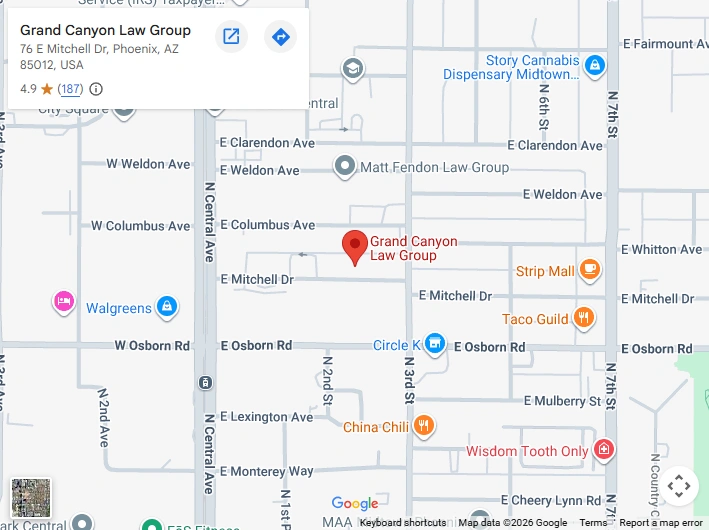
76 E Mitchell Drive
Phoenix, AZ 85012
Mesa Office
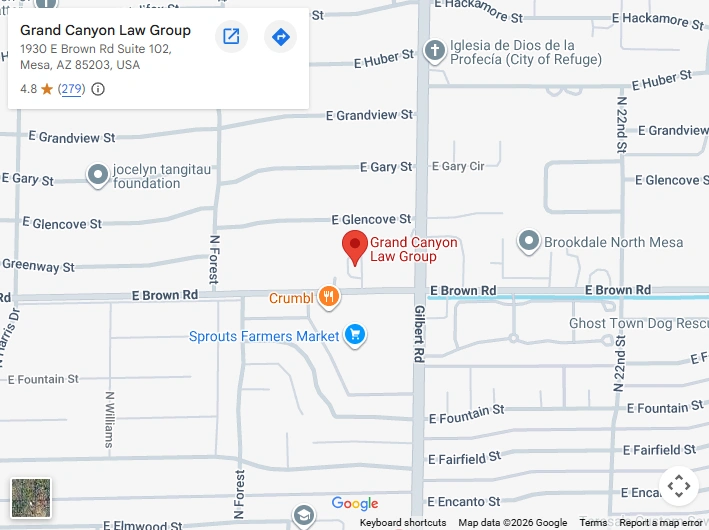
1930 E. Brown Rd
STE 102
Mesa, AZ 85203
Gilbert Office
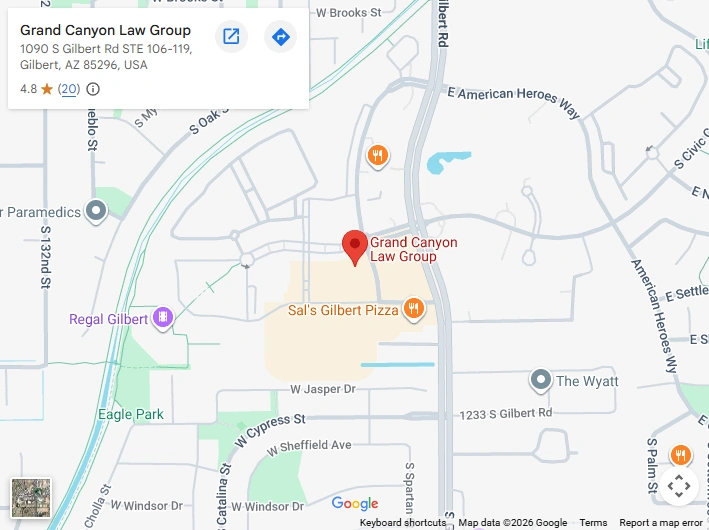
1090 S. Gilbert Rd
STE 106-119
Gilbert, AZ 85296
Tucson Office
1 South Church Avenue,
#1200
Tucson, AZ 85701

© Copyright 2026 Grand Canyon Law Group. All rights reserved.
*Images are obtained under license from Canva and other third-party stock image providers, with attribution included where required.