


Available 24/7 480-400-5555
Can They Really Search Your Phone? What to Do During a Pre-Charge Sex Crime Probe
When an anonymous tip triggers a sex crime investigation, especially involving a first-time offense, the experience can feel overwhelming and isolating. Especially for a high-achieving student like Alexis, who’s balancing academics, future plans, and family expectations. It’s a moment filled with fear and uncertainty: Will the police search my phone? Could this ruin my future? What does this mean for my college standing or visa status? These questions swirl through the mind, often without clear answers.
What most people don’t realize is that the early stage of an Arizona pre-charge sex crime probe, before any formal charges are filed, is a delicate and crucial time. This phase often operates in a gray area where your rights are vulnerable but not yet fully engaged by the court system. This is a crucial time to contact Grand Canyon Law Group so we can discuss options to possibly prevent police from meeting the standards set in A.R.S. § 13-3883 which can allow for an arrest without a warrant. Unlike after charges are filed, when many legal protections and procedural rules kick in, this pre-charge phase can feel like a legal “wild west,” especially when law enforcement responds to anonymous tips or complaints.
Anonymous tips are particularly tricky. They might come from someone’s misunderstanding, jealousy, or a vague rumor, but they have the power to initiate serious police action. Because these tips lack a formal complainant or direct evidence, law enforcement has to tread carefully and follow Probable Cause Statute A.R.S. § 13-3913, but that doesn’t always happen. Students like Alexis may be caught off guard when police ask to search their phones, an action that feels deeply invasive and could expose sensitive personal information unrelated to the investigation.
What’s rarely discussed is how the content on a phone, texts, photos, location data, can be used against someone even before they have a chance to defend themselves in court. This digital evidence can shape the entire trajectory of the case, making the initial response critical. Knowing your rights during this stage isn’t just about legal technicalities, it’s about protecting your future, your reputation, and your dreams.
Understanding when and how the police can legally search your phone, especially during a probe triggered by an anonymous tip, is the first step toward empowerment. It’s about reclaiming control in a moment that feels powerless and ensuring you don’t inadvertently give up rights that protect you. For students worried about parental judgment, academic consequences, or visa implications, this knowledge is essential to safeguard not just your freedom but your entire future.
Understanding Your Rights When the Police Want to Search Your Phone
Facing a police request, or worse, demand, to search your phone can be intimidating, especially if you’re a college student like Alexis who has never been involved in anything like this before. Phones today are essentially personal vaults, containing everything from private conversations and photos to location history and financial information. It’s natural to worry about what the police can access and how they can use it, particularly in a sensitive and serious investigation like a sex crime probe triggered by an anonymous tip.
Before diving into the specifics of phone searches, it’s important to understand the context of a pre-charge investigation. This is the phase when law enforcement is gathering information to decide whether to formally charge someone with a crime. Unlike after charges are filed, where your rights and legal procedures are more clearly defined, this pre-charge phase is less regulated and can feel uncertain and scary. The police may approach you, ask questions, or even want to examine your phone, all without you having any formal legal protection yet.
Anonymous tips play a big role in triggering these investigations. While they often lack solid evidence, the police are required to look into them, especially when the tip concerns something as serious as a sex crime. The tricky part is that the tipster remains unknown, and their motives aren’t always clear. They could be a concerned peer, an angry acquaintance, or someone with less honorable intentions. Because of this, the police must carefully balance investigating the claim and respecting your rights, but that balance doesn’t always happen smoothly in practice.
Here’s what you should know about your rights, especially in Arizona, when it comes to phone searches during such investigations:
- Pre-charge investigations are preliminary: You are not yet formally accused or arrested, but the police are actively gathering information.
- Anonymous tips don’t automatically justify a search: Police must have reasonable suspicion or a warrant to search your phone, even if someone has accused you.
- The Fourth Amendment protects against unreasonable searches: This constitutional right applies to your phone, meaning the police generally need your consent or a warrant.
- Phones contain vast personal data: Anything on your phone, including messages, photos, apps, location data, and browsing history, could potentially be accessed.
- Consent matters, but so does knowing your rights: You have the right to refuse a search without a warrant; police cannot legally force you to unlock your phone or hand it over without due process.
- Warrant exceptions are limited: In rare cases, police might claim exigent circumstances (urgent situations) to justify a warrantless search, but these exceptions have strict legal requirements.
- Refusing a search politely can protect your rights: You don’t have to argue or resist aggressively, simply stating that you do not consent to a search is your right.
- Legal counsel is your best ally early on: Asking for a lawyer before answering questions or allowing searches can protect you from making mistakes that harm your defense.
Understanding these points isn’t just about knowing what the police can or cannot do; it’s about recognizing the power dynamics at play during this vulnerable time. For a student like Alexis, who is juggling the pressures of college, parental expectations, and future ambitions like medical school, this knowledge can be the difference between maintaining control or feeling helpless in the face of serious allegations.
It’s also important to remember that phone searches are not just about uncovering evidence directly related to the investigation. The digital trail can reveal personal habits, social circles, and even innocent communications that might be misinterpreted. This is why defending your rights early, before any evidence is taken or used, is crucial.
Ultimately, knowing your rights helps you navigate this difficult stage with confidence, ensuring that you do not unintentionally waive protections that could later make or break your case. The next section will explore when police can legally search your phone without a warrant and what exceptions, if any, might apply under Arizona law.
Can Arizona Police Search Your Phone Without a Warrant?
When police approach you during a pre-charge sex crime investigation, especially one triggered by an anonymous tip, the situation can feel intense and confusing. It’s natural to want to cooperate, to clear up misunderstandings, or to avoid making things worse. However, one of the most important things to know is how to respond if the police ask, or demand, to search your phone.
Your phone is essentially a digital extension of your private life. It contains texts, photos, social media accounts, and even location data that reveal patterns about where you’ve been and who you’ve been with. The stakes are incredibly high because this information can be used in ways you might not expect, sometimes even twisted to fit a narrative that harms your defense.
The key to protecting yourself is knowing that you have the right to say no to a phone search if the police do not have a warrant. This right is protected under the Fourth Amendment, which guards against unreasonable searches and seizures. But exercising this right calmly and clearly is crucial.
Here are some practical steps to take if police ask to search your phone:
- Stay calm and polite. Being respectful and composed can help prevent the situation from escalating. Police may be looking to observe your reaction or provoke you into giving consent.
- Clearly state that you do not consent to a search without a warrant. You don’t need to argue or explain; a simple, firm “I do not consent to a search” is enough.
- Do not physically resist or try to hide your phone. Resisting can lead to additional charges or complications. Your goal is to protect your rights without creating new problems.
- Ask if you are free to leave. If you are not under arrest, you have the right to leave. If they say no, you are being detained and should remain silent and ask for a lawyer.
- Do not answer questions or provide explanations without your lawyer present. Anything you say can be used against you later.
- Request a lawyer immediately. The moment you feel unsure, ask to speak with an attorney before proceeding.
It’s easy to underestimate the power of simply saying no, especially when police officers are involved. But remember, consenting to a search voluntarily means waiving your constitutional protections. If you don’t consent, police usually need to get a warrant, which provides a layer of legal oversight.
As American author and activist Edward Snowden said, “Arguing that you don’t care about the right to privacy because you have nothing to hide is no different than saying you don’t care about free speech because you have nothing to say.” This highlights how privacy, especially digital privacy, is not about guilt or innocence; it’s about protecting your personal space and dignity.
For students like Alexis, who worry about the implications for their education, visa status, and family reputation, standing firm on your rights isn’t just legal advice, it’s a safeguard for your entire future. It’s okay to be scared or uncertain, but knowing these steps helps you navigate a difficult moment with clarity and strength.
Remember, the police are trained to look for ways to gather evidence, but you are not obligated to make it easier for them. Protecting your phone, and by extension your privacy and your case, starts with understanding your rights and acting wisely.
What to Do If Police Ask to Search Your Phone
When an anonymous tip leads to a pre-charge sex crime investigation, it can feel like the walls are closing in, especially when your phone, a private and personal space, is at risk of being searched. This is the moment when having an experienced criminal defense attorney on your side isn’t just helpful, it can be critical to protecting your future.
A skilled attorney does much more than just show up in court. From the very beginning, they act as your shield and strategist, navigating the complex legal landscape that many people never fully understand until it’s too late. This early stage of investigation is where your attorney’s expertise can make a real difference, particularly when it comes to digital evidence and unlawful searches.
Reviewing the Legality of the Search
One of the first things a defense lawyer will do is carefully examine how the police obtained any evidence, including your phone data. If the search was conducted without a warrant, without your consent, or outside of legally recognized exceptions, your attorney can challenge the admissibility of that evidence. In many cases, courts will exclude evidence gathered unlawfully, which can severely weaken the prosecution’s case or even lead to dismissal.
Many students don’t realize how often police make procedural mistakes, especially in investigations sparked by anonymous tips, because the pressure to act quickly is high. An attorney trained in Arizona’s criminal defense system knows these pitfalls and can leverage them to your advantage.
Communicating with College Disciplinary Boards and Student Visas
An aspect rarely discussed openly is how criminal investigations intersect with your academic and immigration status. If you’re an international student like Alexis, a pre-charge investigation, even without formal charges, can threaten your student visa and your ability to continue your education in the U.S. A lawyer experienced in these matters can liaise with college disciplinary boards to advocate on your behalf, helping to minimize disruptions to your studies while protecting your rights.
Building a Defense Strategy Early
Waiting too long to get legal help can limit your options. Early intervention allows your attorney to collect evidence, interview witnesses, and develop a defense strategy that considers the bigger picture, your future education, career goals, and personal reputation. For students facing allegations involving drugs, sex crimes, or any felony, a proactive defense is essential to preventing long-term consequences.
Your phone isn’t just a device, it’s a repository of your life, and defending your right to privacy requires expertise, strategy, and a compassionate approach. At Grand Canyon Law Group, we understand the unique pressures that students face and combine our deep knowledge of Arizona’s legal system with empathy and personalized care to guide you through this difficult time.
Taking action early by consulting with experienced criminal defense attorneys is the best way to protect your freedom, your education, and your future. Don’t wait until things spiral out of control, reach out for help as soon as possible.
Why You Should Contact Grand Canyon Law Group Immediately
If you’re a student like Alexis and you find yourself under investigation for a serious allegation such as an Arizona pre-charge sex crime probe triggered by an anonymous tip, it’s natural to feel overwhelmed and uncertain about what to do next. This phase is a critical window where your actions can significantly influence the outcome of your case, and your future.
Here’s a clear, practical guide to the steps you should take right now to protect your rights, privacy, and long-term goals:
- Do Not Consent to Any Phone Search Without a Warrant
Remember, your phone holds private information far beyond the immediate investigation. Unless police have a valid warrant signed by a judge, based on A.R.S. § 13-3912, you have the right to refuse a search. Clearly and calmly state your refusal. - Exercise Your Right to Remain Silent
Anything you say to the police, even casual remarks or explanations, can be used against you later. It’s important to politely inform officers that you wish to remain silent and want to speak with an attorney before answering any questions. - Request Legal Representation Immediately
Contact an experienced criminal defense attorney as soon as possible. Early legal advice is essential in navigating the complexities of pre-charge investigations, protecting your digital privacy, and developing a defense strategy. - Avoid Social Media or Public Discussions About the Case
Posts, messages, or even “private” comments on social media platforms can be discovered by investigators and used as evidence. Stay off social media or use extreme caution until your case is resolved. - Inform Trusted Family Members or Advisors
Although you might fear parental disappointment, keeping at least one trusted adult informed can provide emotional support and help you make better decisions during a stressful time. - Document Everything
Keep a detailed record of all interactions with law enforcement, including times, dates, what was said, and who was present. This documentation can be valuable to your attorney later. - Do Not Delete or Alter Any Data on Your Phone or Devices
Attempting to delete messages, photos, or call logs can be seen as tampering with evidence, which can lead to additional charges. Let your attorney guide you on what to do with your devices. - Prepare for Possible College Disciplinary Actions
Understand that in addition to criminal investigations, your school may open a disciplinary review. An attorney can help you communicate with the school to ensure your rights are protected in that process as well.
Taking these steps isn’t just about legal strategy, it’s about protecting your future, your reputation, and your dreams. Many students don’t realize how fragile their standing can be during this early phase. Acting wisely can prevent unnecessary damage to your academic record, immigration status, and personal relationships.
The reality is that an anonymous tip can feel like a devastating blow, but it doesn’t have to define your future. By knowing your rights, refusing unlawful searches, seeking immediate legal help, and carefully managing your responses, you reclaim control over a situation that might otherwise feel overwhelming.
If you or someone you know is facing this kind of investigation, don’t hesitate. Contact a skilled criminal defense attorney who understands the nuances of pre-charge sex crime probes and the pressures students face in Arizona. Early, expert guidance is your best defense.
Remember, protecting your phone and your privacy isn’t about hiding guilt, it’s about preserving your dignity, your rights, and the life you’ve worked so hard to build.
Take Control of Your Life from the Uncertainty of an Arizona Pre-Charge Sex Crime Probe
Facing an investigation triggered by an anonymous tip can feel like your entire world is suddenly at risk, especially when your phone, a deeply personal part of your life, is under scrutiny. For students like Alexis, who have their whole future ahead of them, the stakes couldn’t be higher. Protecting your privacy, your rights, and your reputation during a pre-charge sex crime probe isn’t just important, it’s essential.
Understanding that the police generally cannot search your phone without a warrant, and knowing how to respond if they ask, can make all the difference. It’s not about hiding guilt; it’s about standing up for your rights and preventing unnecessary damage to your education, visa status, and personal life.
This early stage of investigation is often overlooked or misunderstood, but it’s where smart, strategic action counts the most. Refusing unlawful searches, exercising your right to remain silent, and securing experienced legal counsel can protect you from serious consequences down the road.
At Grand Canyon Law Group, we specialize in defending students and high-achievers facing these very challenges. With former prosecutors on our team, we know the tactics law enforcement uses and how to dismantle their case before it even starts. We combine aggressive defense with genuine compassion, because we see you as a person, not just a case file.
If you or someone you know is under investigation or worried about an anonymous tip triggering an Arizona pre-charge sex crime probe, don’t wait. The sooner you call, the sooner we can protect your rights, your privacy, and your future.
Call Grand Canyon Law Group today at 480-573-6441 for a free, confidential consultation. We’re available 24/7 to stand by your side and fight for you when it matters most. Your future deserves nothing less.
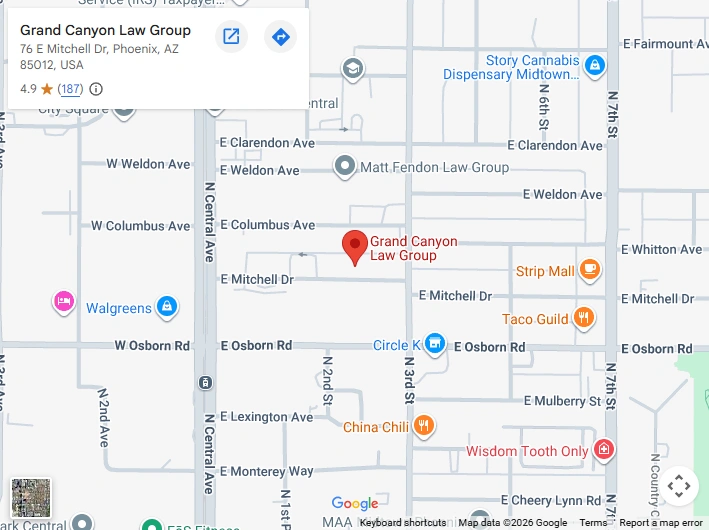
Phoenix Office
76 E Mitchell Drive
Phoenix, AZ 85012
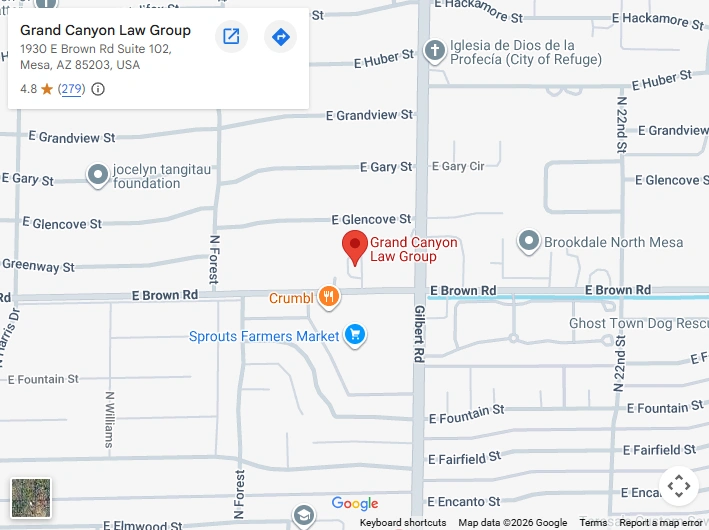
Mesa Office
1930 E. Brown Rd
STE 102
Mesa, AZ 85203
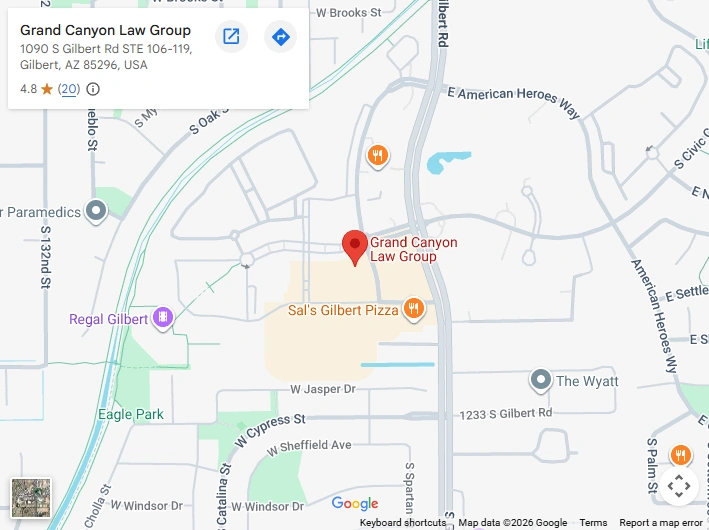
Gilbert Office
1090 S. Gilbert Rd
STE 106-119
Gilbert, AZ 85296
Tucson Office
1 South Church Avenue,
#1200
Tucson, AZ 85701
© Copyright 2026 Grand Canyon Law Group. All rights reserved.
*Images are obtained under license from Canva and other third-party stock image providers, with attribution included where required.