


Available 24/7 480-400-5555
Why Arizona Police Crack Down on Sex Crimes at Events Like Comic Con?

The Unseen Surveillance at Public Events
Comic Con, anime expos, and fan conventions attract thousands of enthusiastic attendees—families, teens, influencers, and professionals alike. But behind the cosplay and collectibles lies an uncomfortable truth: Arizona law enforcement uses these events to target and arrest individuals for sex crimes, including online solicitation of a minor.
High-profile gatherings become prime grounds for undercover operations, sting setups, and surveillance. For respected community figures with spotless reputations, a single accusation or a misunderstood message can turn into a felony sex offense, leaving lives shattered in an instant. These operations are not random. They are highly strategic, and they often target digital communication that started long before the event ever took place.
Why Events Like Comic Con Are a Hotbed for Arrests?
1. High Concentration of Minors and Vulnerable Individuals
- Events are family-friendly and often feature teen-dominated spaces like gaming rooms and social meetups.
- Law enforcement assumes predators will be drawn to these environments.
2. Digital Traps Are Set in Advance
- Undercover officers pose as minors online weeks or months before the event.
- Messaging apps, social platforms, and convention-specific forums are monitored.
3. Entrapment Risks Are High, But Rarely Challenged
- Suspects often believe they’re talking to another adult.
- Some get baited into continuing conversations they tried to end.
The Charge: What Is Online Solicitation of a Minor?
In Arizona, ARS 13-3554 makes it a felony to knowingly use electronic communication to solicit, lure, or entice a minor for sexual conduct. Even if the minor is fictional (e.g., an undercover cop), charges can still be filed.
Key Factors That Lead to Arrest:
- The other party claims to be under 18
- Sexual intent is inferred or explicit
- A plan to meet or exchange personal content is suggested
Why It’s So Dangerous for Respected Professionals:
- Public perception overrides presumption of innocence
- News outlets often publish names, mugshots, and charges before a conviction
- Employers and licensing boards may take immediate disciplinary action
Learn more about Arizona’s sex crime laws and defense options.
For a broader understanding of how electronic communication is interpreted in sex crime charges, see this U.S. Department of Justice report on online enticement.
When the Past Comes Back: Old Charges, New Impact
Many arrests at major events involve reopened investigations or revived chat logs. Some individuals facing charges are shocked to discover that messages from years ago are being used to prosecute them today.
Common Scenario:
- Digital conversations from old social media accounts are subpoenaed
- IP addresses are traced to a professional or family home
- Suspects may not even remember the exchange until confronted
For someone respected in their field—a teacher, a coach, a civic leader—the fallout can be immediate and devastating.
The Fallout: More Than a Criminal Case
Top Fears of the Accused:
- Reputation Loss: Even unfounded accusations cause permanent damage
- Media Attention: Local outlets eagerly report on Comic Con or large-event arrests
- Family Impact: Loved ones often find out via the news or social media
- Employment Termination: Immediate suspension or dismissal is common
- Legal Complexity: Cases involving digital evidence are highly technical and unforgiving
What Police Don’t Publicize: Defense Options Exist
Most people don’t know that:
- Entrapment is a valid legal defense
- Misidentification and spoofing can occur
- Intention must be proven
- Conversations alone do not equal a conviction
A qualified attorney can:
- Subpoena and challenge digital forensics
- Suppress evidence obtained unlawfully
- Argue for reduced or dismissed charges based on lack of intent
See how Grand Canyon Law Group defends against felony sex crime accusations.
How to Respond If You Are Being Investigated
Immediate Actions:
- Do not speak to law enforcement without legal counsel
- Preserve your digital evidence (phone backups, emails, account logins)
- Avoid discussing the case with anyone outside legal counsel
- Secure professional and legal representation quickly
The earlier you act, the more options you have. Investigations often unfold quietly before an arrest is made. You may be under surveillance or already named in a sealed indictment.
The Stakes Are High, But You Are Not Alone
Being accused of online solicitation of a minor is a crisis most never see coming. But the sooner you act, the better your chance to:
- Avoid public exposure
- Challenge flawed or fabricated evidence
- Preserve your career and family structure
At Grand Canyon Law Group, we understand how to defend professionals who have everything to lose. Our team of former prosecutors knows the tactics used in sting operations and how to dismantle them.
Your life isn’t over. But your next steps matter more than ever.
Image Prompt: A professional man in his 50s wearing a suit, standing in front of a Comic Con entrance with a confused expression, while blurred figures in cosplay walk by. In the distance, a pair of plainclothes officers discreetly observe the crowd. The contrast between public life and hidden surveillance should be clear.
If you or someone you love is facing allegations related to online solicitation of a minor or any sex crime charge in Arizona, call us immediately. Don’t speak. Don’t post. Call.
Schedule a confidential case review today at Grand Canyon Law Group.
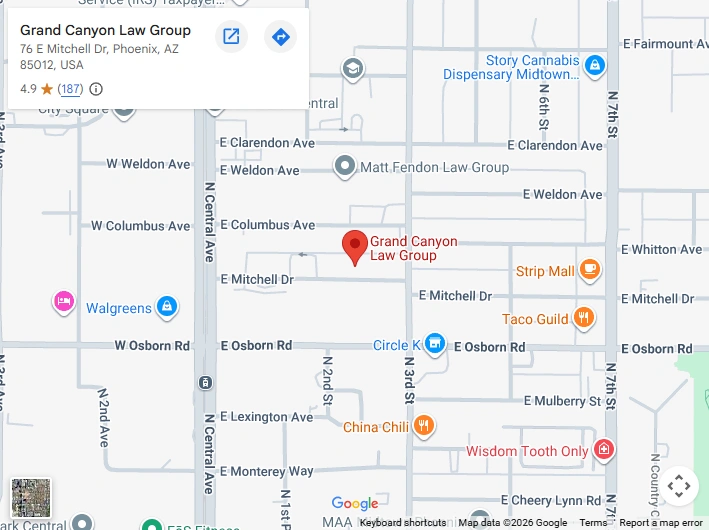
Phoenix Office
76 E Mitchell Drive
Phoenix, AZ 85012
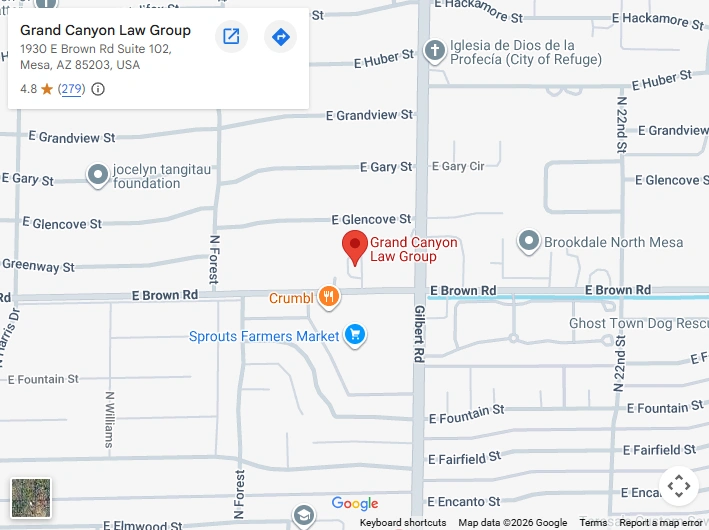
Mesa Office
1930 E. Brown Rd
STE 102
Mesa, AZ 85203
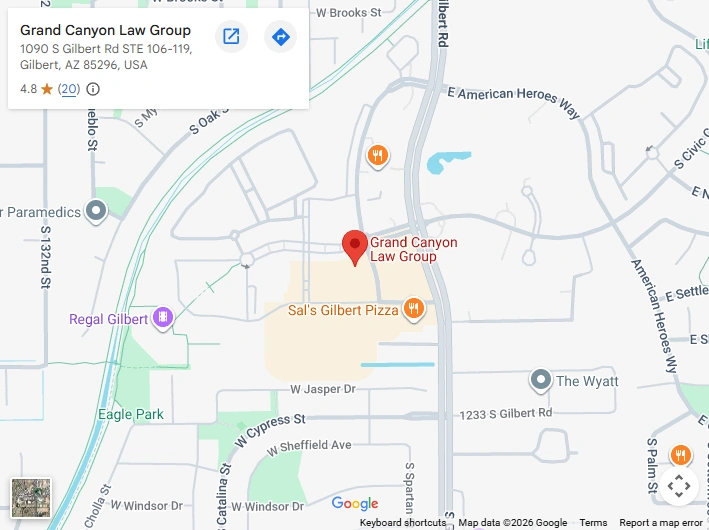
Gilbert Office
1090 S. Gilbert Rd
STE 106-119
Gilbert, AZ 85296
Tucson Office
1 South Church Avenue,
#1200
Tucson, AZ 85701
© Copyright 2026 Grand Canyon Law Group. All rights reserved.
*Images are obtained under license from Canva and other third-party stock image providers, with attribution included where required.