


Available 24/7 480-400-5555
The Dangerous Misstep Most Parents Make When Police Question Their Child
Introduction: The Critical Moment Parents Don’t See Coming
Most parents believe that if their child is innocent, or simply made a mistake, things will sort themselves out. They trust that if their child is respectful and honest with the police, the truth will prevail. But in Arizona felony drug cases, especially those involving fentanyl or other serious controlled substances, this assumption can be devastating.
What parents often overlook is how much influence law enforcement has in shaping the direction of a case within the first few minutes of a traffic stop and police interaction. When a young adult is pulled over in Maricopa County or across the Valley, the choices they make, especially whether or not to speak, can permanently alter their future. And those choices are often made without a parent present, without legal counsel, and without a full understanding of what’s at stake.
In Arizona, even a minor amount of fentanyl found during a traffic stop can lead to Class 4 felony drug possession charges. These aren’t warnings or citations, they carry mandatory prison time under ARS 13-3408 and a lifetime of consequences. And yet, in these moments, many young people feel pressure to talk, explain, or “clear things up,” not realizing they’re building the case against themselves.
What most parents don’t realize is this: by the time you get the call, it may already be too late. Your child may have unknowingly waived their rights. They may have consented to a search. They may have made statements, statements that will be used in court and won’t be taken back.
The most dangerous misstep isn’t what your child does, it’s what they say. And what they say almost always comes before a lawyer is involved. That’s where the risk lies, and it’s a blind spot even the most caring, involved parents often miss.
Understanding this moment, and preparing for it, can mean the difference between a felony conviction and a second chance.
The Scenario: Your Child Is Pulled Over and Drugs Are Found
We highlight this because routine stops are often the entry point into the Arizona criminal justice system for young adults.
It starts out like any other day. Your child is driving, maybe to work, school, or just out with friends, when they’re pulled over for a minor traffic violation. Maybe it’s a broken taillight, a rolling stop, or “reasonable suspicion” based on how they were driving. In Arizona, officers are specifically trained in drug interdiction, allowing them to escalate routine stops into intensive investigations within seconds.
Police don’t need a warrant to conduct a search during a traffic stop if they claim to smell drugs, believe there’s probable cause, or if the driver consents. And in Arizona, where fentanyl and other narcotics have become a statewide crisis, officers are trained to escalate routine stops into drug investigations in seconds.
Before your child even knows what’s happening, the situation has turned from a speeding ticket into a full-blown search. If drugs are found, especially something as serious as fentanyl, your child may be arrested and charged with felony drug possession during a traffic stop.
Felony Drug Charges Can Begin with a Routine Stop
What many parents don’t realize is how fast a traffic stop can spiral:
- The officer asks a few questions.
- Your child answers, thinking it’s harmless or polite.
- The officer claims to smell marijuana or sees something “suspicious.”
- The car is searched.
- A small bag of pills is found, often not even recognized by your child if someone else left them there.
- The officer conducts a field test or assumes it’s fentanyl based on appearance.
- Your child is arrested for a class 4 felony or worse.
The outcome? No prior record, no violent history, and yet your child is now facing mandatory prison time under Arizona law.
Parents Are Often Left Out—Until It’s Too Late
By the time you’re contacted, several critical things have likely already happened:
- Your child may have consented to a search without realizing they could say no.
- They may have made incriminating statements thinking honesty would help them.
- They may have been read their rights, but didn’t understand the risk of continuing to speak.
- They may be booked and held, facing charges with no legal representation.
This is the part that stings the most for most parents, you weren’t there when it mattered most. Not because you didn’t care. But because the law doesn’t require police to call you, and your child likely didn’t know how to protect themselves.
Once drugs are found and charges are filed, the situation moves fast. Felony drug possession isn’t something that clears up with a phone call to a judge or a kind explanation. It’s a serious criminal charge with real-life consequences, jail time, a criminal record, court fees, lost opportunities, and the possibility of being caught in a system that punishes addiction rather than treats it.
And that’s the tragedy: Most parents are reactive, getting involved after the damage has been done. But as you’ll see, that moment before anything is said or signed is where the real defense begins.
The Dangerous Misstep: Letting Your Child “Explain” Without a Lawyer
Law enforcement uses voluntary statements to bypass the need for complex evidence. We intervene to shut down this information pipeline.
One of the most common and costly mistakes in Phoenix drug cases happens when your child decides to talk to the police without a lawyer present. It’s an instinct that feels right in the moment: be polite, tell the truth, explain that it’s all a misunderstanding. But in the context of a criminal investigation, especially one involving serious substances like fentanyl, talking without legal protection is rarely helpful, and often disastrous.
Young people, particularly those with substance abuse or addiction, often feel a false sense of obligation to “clear things up.” They may believe that cooperating will help them go home or avoid arrest. Unfortunately, law enforcement officers are trained to take advantage of this moment. They are allowed to use deception and psychological pressure to get information, even from someone barely old enough to rent a car.
As one former police officer turned addiction counselor once said:
- “Police don’t ask questions they don’t already know the answer to. They ask to see if the suspect will give them more than they can get legally.”
This is particularly dangerous when dealing with vulnerable youth. When a child has been dealing with addiction, they are more likely to feel guilt, shame, or a false sense of obligation to be “honest”, even when that honesty may bury them in a criminal case. Police know this and often use it to their advantage.
Why “Cooperating” Can Backfire Badly
Many parents, and their children, mistake cooperation for safety. But in felony drug investigations, cooperation without counsel doesn’t prevent arrest; it builds a stronger case against the suspect. When your child admits to knowing about the drugs, even in vague terms, that can be used as evidence of knowledge and intent, two elements prosecutors need to make a charge stick.
Police Are Not Required to Be Honest with Your Child
Officers can, and often do, lie during questioning. They might say:
- “Your friend already told us everything.”
- “If you just tell us the truth, you can go home.”
- “We’re not looking to arrest you, we just want to help.”
These statements are legal. They are also deeply misleading. Once your child speaks, that information is in the record, whether it’s true, misunderstood, or twisted under pressure.
Once They Talk, It’s Nearly Impossible to Undo
There is no “take back” button once a statement is made. Even if a child later gets an attorney, the prosecution already has what they need to move forward. A single poorly worded sentence, given in a moment of panic or confusion, can outweigh an entire defense strategy.
For parents, the takeaway is clear: the most dangerous moment is not when your child is arrested, it’s when they decide to talk. Teaching them to stay silent and ask for a lawyer isn’t about being disrespectful or hiding the truth. It’s about protecting their rights, their freedom, and their future.
What You Should Do Immediately If Your Child Is Questioned
Immediate action limits the evidentiary footprint the prosecution can build against your child. If your child is pulled into questioning, especially in the midst of a felony drug investigation, follow this emergency legal checklist:
Here’s a practical checklist every parent should know:
- Invoke the 5th Amendment: Instruct your child to say, “I am invoking my right to remain silent.”
- Ask explicitly for an attorney. Do not rely on vague or implied requests.
- No Casual Chats: Discourage any talking; silence is a legal shield.
- Call Grand Canyon Law Group: 480-573-6441 Save our number for 24/7 support.
These steps are not common sense in a crisis. They’re a game plan, one that can protect your child before words are ever said, before statements are given, and before rights are unknowingly waived.
Why Early Legal Intervention Can Change Everything
The initial appearance and the first 48 hours are when bail is set and charging decisions are made. At Grand Canyon Law Group, we fight to influence these before they become permanent.
The moment your child is pulled into a felony drug investigation, especially one involving fentanyl, the clock starts ticking. When parents wait to “see what happens” or hope the situation will resolve itself, they miss a crucial window. By contrast, when a defense attorney gets involved early, before statements are made, before evidence is locked in, and before charges are finalized, there’s an opportunity to shift the case’s entire trajectory.
Former Prosecutors Know How Cases Are Built, and How to Stop Them
One of the biggest advantages of working with a defense team like Grand Canyon Law Group is insider knowledge. As former prosecutors, we understand the strategy used to build felony drug possession cases. We know how officers are trained to gather statements, what types of evidence are critical to the State’s case, and how to challenge procedures that violate your child’s rights.
Early intervention allows us to:
- Challenge the Stop: Was there actually reasonable suspicion for the pull-over?
- Scrutinize the Search: Was the search lawful or coerced.
- Advocate for Your Child: We push back against overcharging and recommend alternatives such as Drug Court or diversion programs.
The earlier we’re involved, the more of this work can be done before the case solidifies.
Outcomes Are Better When We’re Involved from the Start
Waiting for the arraignment or court date is a gamble. Prosecutors begin building their case the moment an arrest is made. But when you have a defense attorney already working before charges are filed, you’re ahead, not behind.
With early intervention, we can:
- Prevent charges from being filed altogether in some cases.
- Negotiate with prosecutors before they lock into harsh penalties.
- Preserve critical evidence that supports your child’s defense.
- Reduce charges or penalties before a case ever reaches trial.
In short, early legal action can mean:
- Less jail time, or none at all.
- Access to treatment instead of punishment.
- Lower charges or dismissed cases.
- The ability to fight from a position of strength, not desperation.
Felony drug charges feel overwhelming, but the power to intervene, guide, and protect your child begins with one decision: making the call before the system does its damage.
Real-World Mistake: A Mesa, AZ Case Example
To understand just how high the stakes are, consider a real-world example, one that mirrors the heartbreak too many families experience when they rely on the system to “do the right thing” without legal intervention.
A mother in Mesa, let’s call her Maria, received a late-night call from her son’s friend. Her 20-year-old son had been pulled over while driving back from Phoenix. A routine traffic stop, nothing unusual. But officers found a bag with a few blue pills in the glove compartment. Her son, in a panic and unsure of what to do, told the officer, “They’re not mine, but I knew they were there.” He thought being honest would help.
It didn’t.
The pills were field-tested and labeled as fentanyl. Her son was arrested on the spot for felony drug possession during a traffic stop and possession with intent to distribute, despite no prior record and no evidence of actual sales. The problem? His statement implied knowledge and control. From a legal perspective, that was enough to move forward with serious charges.
Maria didn’t get the call until hours later. By then, the damage was done. The prosecution had what they needed. And while she eventually hired an attorney, the initial statements couldn’t be undone.
As recovery advocate Johann Hari famously said:
“The opposite of addiction isn’t sobriety. It’s a connection.”
But in moments like this, the legal system doesn’t make space for connection. It moves quickly, and unless someone steps in to redirect the narrative, it can flatten a complex situation, like addiction or a moment of poor judgment, into a simple criminal conviction.
Maria’s biggest regret wasn’t the arrest. It was that no one told her what to do before it happened. No one explained that even just a few words, meant to seem cooperative, could turn into evidence. No one told her that early silence and early legal counsel could have kept her son from being charged as a felon.
This isn’t just about one mistake. It’s about how the system is set up to take that mistake and make it permanent, unless someone interrupts the process early. And that interruption starts with education, preparation, and immediate legal action.
Your child may be scared, confused, or dealing with issues far deeper than a traffic stop. But what they say in those early moments is what the system will remember, unless you step in and change the story before it’s too late.
What Parents Can Do Right Now to Protect Their Child
Preparation is the best defense. Knowing your rights before a crisis occurs prevents panic-driven mistakes. If you’re reading this before your child has been arrested or questioned, you’re already ahead. But being aware isn’t enough, you need a real plan. Too many parents wait until the system is already moving before they act. At that point, options shrink and damage control replaces true defense.
You don’t have to wait for something bad to happen. You can prepare now, and potentially prevent a nightmare scenario later.
Have the Conversation Before the Police Do
It might feel awkward, even confrontational, to bring up what your child should do if stopped or questioned by police. But silence is a setup. If your child doesn’t know how to respond in that moment, they’ll rely on instinct or panic, and that almost always means talking, apologizing, or trying to explain.
Let them know: saying nothing is not disrespect: it’s smart.
Talk through scenarios. Teach them exactly what to say: “I want to remain silent. I want a lawyer.” Make sure they understand their rights, and that exercising them is a way of protecting themselves, not hiding guilt.
As the author and educator James Baldwin once said:
- “Children have never been very good at listening to their elders, but they have never failed to imitate them.”
Show them that protecting themselves is strength, not fear.
Save the Grand Canyon Law Group Phone Number (480) 573-6441
In a moment of crisis, searching online or asking friends for recommendations wastes precious time. Save the number of our trusted, experienced criminal defense law firm (480) 573-6441 before you need it. Make sure your child has it too.
This simple step turns panic into a plan. It ensures that if something happens, your first call is the right call, one that brings clarity, calm, and immediate action.
Schedule a Free Consultation to Get a Plan in Place
You don’t have to wait for an arrest to speak to a lawyer. In fact, the best time to talk is before anything goes wrong. We’ll walk you through:
- What to say and not say during police contact.
- What to do if your child is arrested.
- How to protect their rights and reduce the risk of long-term damage.
We’ve helped countless parents just like you, people who want to do right by their children and avoid being blindsided by a system that doesn’t always offer second chances.
Schedule a free, confidential consultation with Grand Canyon Law Group today and call (480) 573-6441. Let’s create a plan that protects your child’s rights, their future, and your peace of mind.
Conclusion: Don’t Let One Mistake Define Your Child’s Life
Arizona’s criminal justice system is built to convict, not help. But you can stop the system from defining your child. At Grand Canyon Law Group, we treat your child with dignity and fight for their future with the aggression of insider knowledge. As a parent, you’ve done everything in your power to protect your child, from teaching right and wrong to standing by them through their hardest seasons. But when law enforcement gets involved, especially in a felony drug investigation, your influence can be pushed aside in a matter of minutes. That’s why what you do right now matters more than ever.
At Grand Canyon Law Group, we know the stakes. We’ve worked on both sides of the courtroom, as prosecutors and now as defenders. We know how these cases are built, and more importantly, we know how to dismantle them. Our team will treat your child with dignity, fight for their freedom, and help you navigate this storm with clarity and compassion.
Don’t wait for the court date. Don’t wait until it’s too late.
If your child has been questioned, arrested, or is at risk of being pulled into a drug investigation, the time to act is now.
Call us today at 480-573-6441 for a free, confidential consultation. We’re available 24/7 and ready to fight for your child’s future, just like you are.
Let’s protect their tomorrow, starting today.
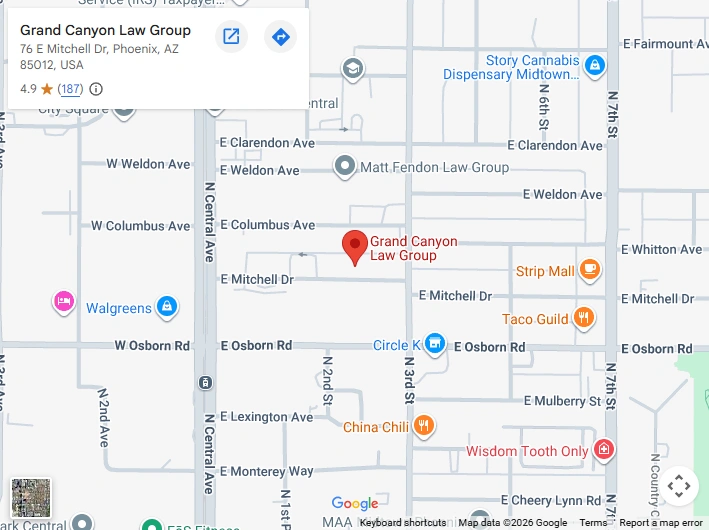
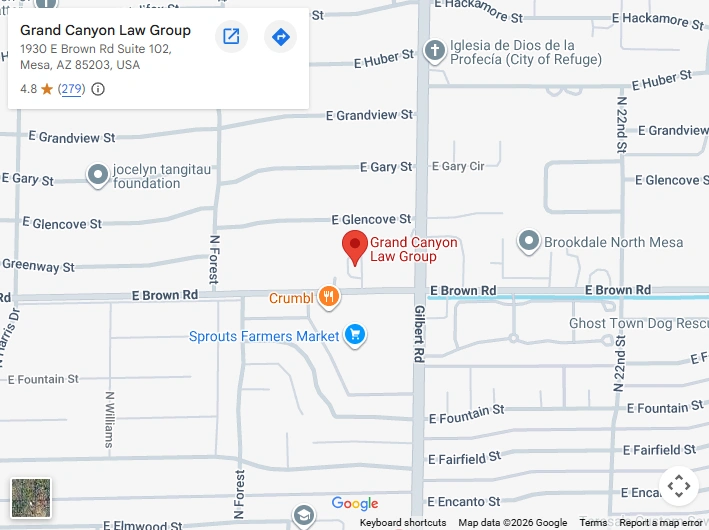
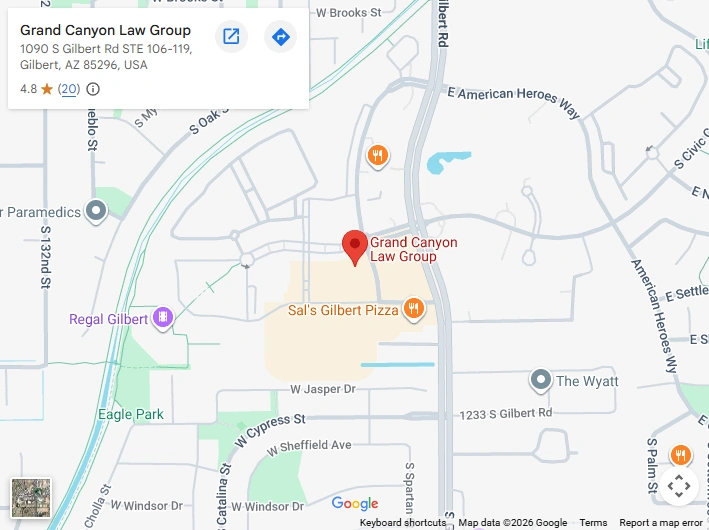
Phoenix Office
76 E Mitchell Drive
Phoenix, AZ 85012
Mesa Office
1930 E. Brown Rd
STE 102
Mesa, AZ 85203
Gilbert Office
1090 S. Gilbert Rd
STE 106-119
Gilbert, AZ 85296
Tucson Office
1 South Church Avenue,
#1200
Tucson, AZ 85701
© Copyright 2026 Grand Canyon Law Group. All rights reserved.
*Images are obtained under license from Canva and other third-party stock image providers, with attribution included where required.